

Heavy-Duty Bulk Bags for Construction: Storing Cement, Sand, Soil, and Gravel Efficiently
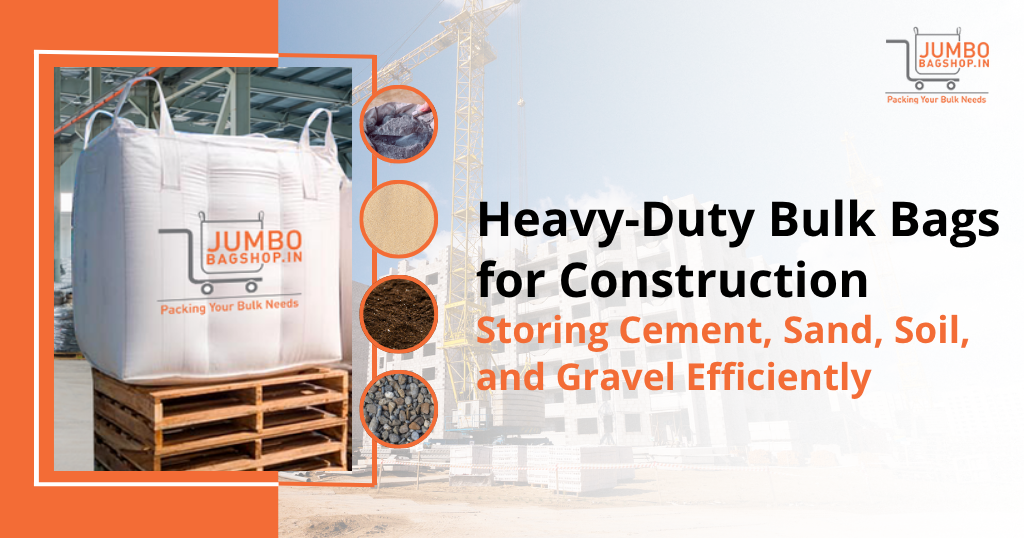
In the construction industry, efficiency, durability, and safety are crucial at every stage — from material handling to project completion. One of the most significant challenges faced by contractors and suppliers is the safe storage and transport of heavy materials like cement, sand, soil, and gravel. Traditional packaging methods, such as jute or plastic sacks, often fall short in durability and handling convenience. That’s where heavy-duty bulk bags — also known as FIBC (Flexible Intermediate Bulk Containers) or jumbo bags — make all the difference.
These versatile bags have become the go-to choice for modern construction companies looking to optimize storage, minimize waste, and enhance on-site efficiency. This guide explores why heavy-duty bulk bags for construction are the smartest choice for storing and transporting materials such as cement, sand, soil, and gravel.
What Are Heavy-Duty Bulk Bags?
Heavy-duty bulk bags, also referred to as FIBC bags (Flexible Intermediate Bulk Containers), are large, woven polypropylene (PP) containers designed to carry and store bulk quantities of materials, typically ranging from 500 kg to 2000 kg. Their robust construction, UV resistance, and flexibility make them ideal for heavy and dry construction materials.
Each bulk bag for construction is engineered with multiple lifting loops, discharge spouts, and liners to ensure convenience and safety during material loading and unloading. These bags come in various types — such as one-loop, two-loop, and four-loop FIBCs — depending on the lifting and filling requirements.
Why Do Construction Materials Require Heavy-Duty Bulk Bags?
Construction sites demand materials in large quantities, often stored outdoors under fluctuating environmental conditions. Cement, sand, and gravel are prone to moisture absorption, while soil can degrade if not stored properly.
Heavy-duty bulk bags address these challenges effectively because they are:
-
Durable: Made from high-tensile woven PP fabric that withstands rough handling.
-
Weather-Resistant: Equipped with UV-stabilized coatings and optional inner liners to prevent moisture ingress.
-
Reusable: Designed for multiple cycles, depending on the type of FIBC bag used.
-
Space-Saving: Stackable and collapsible, enabling easy storage and transport.
-
Safe to Handle: Easy to lift using forklifts, cranes, or hoists without tearing or spillage.
These characteristics make construction bulk bags an indispensable asset for builders, suppliers, and contractors alike.
Common Construction Materials Stored in Bulk Bags
1. Cement
Cement requires dry, moisture-free storage to maintain its chemical integrity. FIBC cement bags come with PE liners that prevent humidity exposure, keeping cement clump-free and ready for use. The airtight seal of cement bulk bags ensures that the material retains its binding properties even during extended storage or long-distance transport.
2. Sand
Loose sand is difficult to manage in open environments. Using bulk bags for sand ensures minimal wastage, easier loading/unloading, and dust-free storage. These heavy-duty sandbags are also ideal for flood control, landscaping, and aggregate storage.
3. Soil
Landscaping, gardening, and excavation projects often require large volumes of soil. Soil bulk bags allow easy transportation of organic and inorganic soils while preventing contamination. The breathable material ensures the soil retains its moisture content without spoiling.
4. Gravel and Aggregates
Gravel and crushed stone are heavy and abrasive. Gravel bulk bags made from reinforced PP fabric can carry over a ton of material safely. Their tough exterior prevents punctures and ruptures during lifting or shipping.
Key Advantages of Heavy-Duty Bulk Bags in Construction
a) High Load-Bearing Capacity
Bulk bags are designed to carry anywhere between 500 kg and 2000 kg of material. The woven polypropylene material provides superior tensile strength, allowing contractors to move large volumes of cement or aggregates efficiently.
b) Protection Against Moisture and UV Rays
Moisture and sunlight are enemies of construction materials, especially cement and sand. UV-stabilized bulk bags with inner liners shield materials from environmental factors, preventing quality degradation.
c) Easy Handling and Transport
Each bag comes with lifting loops compatible with forklifts and cranes, simplifying the movement of heavy materials on-site. Four-loop FIBCs are especially popular in construction for their stability during lifting operations.
d) Cost-Effective and Sustainable
Compared to small sacks or rigid containers, heavy-duty bulk bags offer higher capacity and lower cost per kilogram of material stored. Moreover, most bags are recyclable or reusable, making them an eco-friendly packaging solution for the construction industry.
Types of Heavy-Duty Bulk Bags Used in Construction
-
Standard 4-Loop FIBCs – Ideal for general construction materials like sand, gravel, and crushed stone.
-
Baffle Bags – Maintain a cubic shape for better stacking and stability during storage.
-
1 & 2 Loop Bags – Suitable for handling bulk materials with cranes or hooks, especially on compact construction sites.
-
Ventilated Bags – Used for materials requiring airflow, such as organic soil or landscaping materials.
-
Coated & Liner Bags – Protect moisture-sensitive materials like cement and plaster.
Environmental and Economic Benefits
One of the biggest advantages of using heavy-duty bulk bags in construction is their environmental sustainability. Unlike single-use plastic sacks, these bags are recyclable and reusable, significantly reducing packaging waste.
They also contribute to cost savings through:
-
Reduced material loss: Preventing spillage or contamination.
-
Efficient logistics: Easier stacking and transport reduce handling time.
-
Longer lifespan: Reusable bags lower packaging replacement costs.
The shift toward eco-friendly packaging solutions aligns with the global construction industry’s push for sustainable and green practices.
How to Choose the Right Bulk Bag for Construction Materials?
When selecting the right bulk bag for construction, it’s important to consider:
-
Material type: Ensure the bag fabric strength matches the density and abrasiveness of the material.
-
Capacity and safety factor: Check the bag’s Safe Working Load (SWL) and Safety Factor (SF) rating.
-
Liner type: Use PE or foil liners for moisture-sensitive materials like cement.
-
Lifting design: Choose between one-loop, two-loop, or four-loop bags based on your handling equipment.
-
Certification: Look for ISO-certified or UN-certified bags for safety assurance.
Working with a reliable bulk bag supplier ensures you receive high-quality, tested, and compliant bags tailored to your project’s needs.
Applications Beyond Construction Sites
While primarily used in construction, heavy-duty bulk bags are versatile enough for use in other sectors:
-
Agriculture: For storing fertilizers, seeds, and soil.
-
Mining: For transporting ores and minerals.
-
Waste Management: For collecting and transporting construction debris.
-
Industrial Manufacturing: For packaging chemicals, resins, or powders.
This versatility makes FIBC bulk bags a universal choice for bulk material handling across industries.
Conclusion
The modern construction industry thrives on efficiency, safety, and sustainability — and heavy-duty bulk bags embody all three. Designed for strength, durability, and versatility, these FIBC construction bags simplify material handling and storage, protect valuable resources, and streamline operations across the supply chain.
Whether you’re storing cement, sand, soil, or gravel, investing in high-quality bulk bags ensures better site organization, reduced waste, and improved productivity.
Looking for premium-quality heavy-duty bulk bags for construction?
Explore durable and cost-effective solutions at JumboBagShop. Whether you need cement bulk bags, sand storage FIBCs, or soil and gravel packaging solutions, JumboBagShop delivers trusted quality and unmatched performance for every construction need.