

Heavy-Duty FIBC Bags for Industrial Handling: Strength, Safety, and Performance
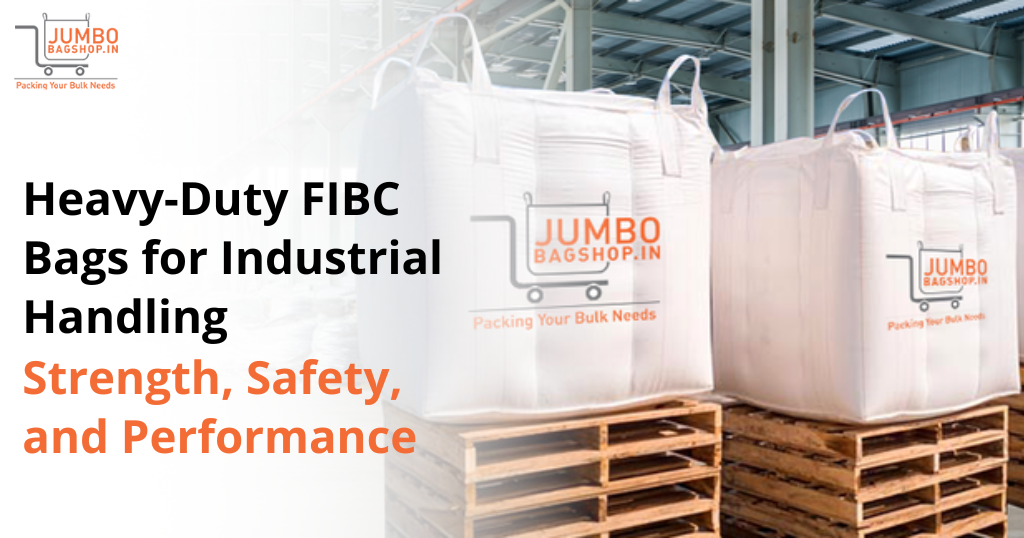
In the world of industrial logistics and material handling, heavy-duty FIBC bags (Flexible Intermediate Bulk Containers) have become one of the most reliable and versatile solutions for packaging, transporting, and storing bulk goods. From construction aggregates to agricultural grains, minerals to chemicals, these robust containers are designed to handle demanding industrial applications where durability and performance are critical.
FIBC bags also referred to as jumbo bags, bulk bags, or super sacks are woven from high-strength polypropylene fabric that provides impressive load-bearing capabilities ranging typically from 500 kg to 2000 kg and beyond. Their popularity in industries around the world has skyrocketed due to their strong structural integrity, cost-effectiveness, and adaptability across a range of bulk handling scenarios.
In this comprehensive guide, we explore how heavy-duty FIBC bags deliver on strength, safety, and performance, making them indispensable in industrial operations.
What Makes Heavy-Duty FIBC Bags Ideal for Industrial Use?
Heavy-duty FIBC bags are engineered to excel under pressure. Constructed from woven polypropylene a material prized for its tensile strength, resistance to tearing, and lightweight nature these bags provide a dependable solution for businesses that need strong and cost-effective bulk packaging.
Unlike traditional containers or rigid storage solutions, FIBCs offer flexible protection for even the most demanding loads, including fine powders, granular materials, and irregularly shaped bulk goods.
1. Strength and Load Capacity
Perhaps the most defining advantage of heavy-duty FIBC bags is their ability to handle high payloads safely and securely. The carefully engineered fabric weave and reinforced seams in these bags allow them to carry significant weights while maintaining structural stability during lifting and transport.
Different bag designs including U-panel, 4-panel, and tubular shapes can be selected based on specific load profiles and handling requirements, ensuring that each industrial application gets the optimal balance of strength and performance.
2. Durability Under Stress
Every industrial environment presents tough conditions dusty warehouses, busy factory floors, and heavy machinery traffic. Heavy-duty FIBC bags are built for such environments. Their woven polypropylene structure resists punctures, abrasions, and wear, allowing them to endure repeated handling.
Some bags also include options like UV stabilization for outdoor storage or polyethylene liners to protect contents from moisture, further enhancing their resilience in rigorous settings.
Enhancing Safety in Industrial Handling
Safety is paramount in industrial operations, and bulk packaging plays a major role in maintaining a safe workplace.
1. Safe Lifting Features
Heavy-duty FIBC bags often come with reinforced lifting loops that are designed to withstand the weight of the full bag during crane or forklift operations. These loops are securely integrated into the bag’s construction, ensuring that the load remains balanced and prevents accidents during hoisting or stacking.
Using appropriately rated lifting equipment and trained handling personnel ensures that these bags even at maximum capacity can be moved safely without unnecessary risk to workers or materials.
2. Stability During Storage
Another safety benefit of heavy-duty FIBC bags is their shape retention when filled. Options like baffle bags or 4-panel designs help maintain a square or stable form, reducing the risk of tipping or material spillage when bags are stacked in storage facilities.
This enhanced stability not only protects stored goods but also contributes to safer aisle ways and stacking patterns in industrial warehouses.
3. Compliance and Testing Standards
Industrial bulk bags often undergo rigorous testing in line with international standards such as ISO 21898 to validate their strength and structural integrity under load.
Such certifications ensure that the bags meet recognized safety criteria, offering peace of mind for businesses handling critical materials.
Performance That Drives Efficiency
Efficiency is more than speed and cost savings it’s about optimizing workflows from production to delivery.
1. Ease of Handling
Compared to bulky rigid containers or complex pallet systems, heavy-duty FIBC bags are lightweight when empty and easy to maneuver once filled. Their design allows for faster loading and unloading, reducing downtime and improving throughput in processing plants and distribution centers.
By combining robust performance with practical ease of use, these bags contribute significantly to streamlined industrial operations.
2. Cost Effectiveness
Heavy-duty FIBC bags provide a cost-efficient solution compared to metal drums or wooden crates. Their lightweight nature reduces shipping costs, and their durability extends service life, meaning fewer replacements and less material waste overall.
Moreover, many FIBC bags are recyclable or reusable, further reducing long-term packaging expenses for industrial users.
Typical Industrial Applications
Heavy-duty FIBC bags are used in virtually every industry that deals in bulk materials:
-
Construction: Cement, sand, gravel, and aggregates
-
Chemicals: Powders, granules, and industrial compounds
-
Agriculture: Grains, feed, seeds, and fertilizers
-
Food Processing: Flour, sugar, and other dry food ingredients when food-grade liners are used
-
Mining: Minerals, ores, and raw materials
-
Waste & Recycling: Collection and transport of scrap material or recyclables
Their versatility makes them indispensable across sectors where bulk handling performance, safety, and reliability are priorities.
Best Practices for Using Heavy-Duty FIBC Bags
To maximize strength, safety, and performance of FIBC bags in industrial applications:
-
Adhere to Safe Working Load (SWL): Always fill within the rated capacity of the bag.
-
Inspect Before Use: Check for fabric wear, seam integrity, or lifting loop damage.
-
Follow Handling Guidelines: Use appropriate equipment and trained personnel to avoid accidents.
-
Store Properly: Keep bags in dry, shaded areas away from sharp objects or extremes of temperature.
-
Use Liners for Sensitive Materials: Liners help protect contents from moisture, contamination, or atmospheric exposure.
Implementing these practices improves both bag performance and workplace safety.
Bottom Line
Heavy-duty FIBC bags deliver a powerful combination of strength, safety, and performance tailored to the needs of modern industrial handling. Their durable construction, design, and cost-effective benefits make them a preferred bulk packaging solution across construction, agriculture, chemicals, food processing, and more. As industries continue to demand efficient and reliable material handling solutions, these bags remain at the forefront, providing a robust foundation for secure, efficient, and scalable operations.
For premium quality heavy-duty FIBC bags tailored to your industrial needs, trust the experts at Jumbobagshop for dependable bulk packaging solutions.