

Circular Bags Explained: Key Benefits, Uses, and Why Industries Prefer Them
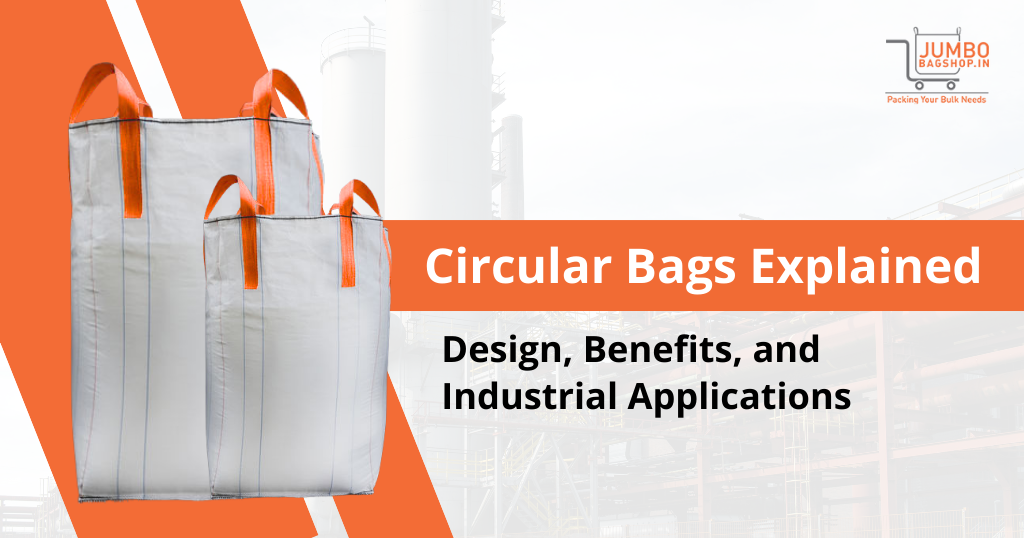
In today’s fast-paced industrial landscape, packaging plays a crucial role in ensuring safe storage, efficient transportation, and product protection. Among the many bulk packaging solutions available, circular bags have emerged as a highly reliable and cost-effective option for industries handling large volumes of materials. Designed with advanced weaving technology and a seamless structure, circular bags offer enhanced durability, better load stability, and superior resistance to wear and tear.
Industries ranging from agriculture and chemicals to construction and food processing increasingly prefer circular bags because of their strength, flexibility, and sustainability benefits. This guide explains what circular bags are, their key advantages, common uses, and why they are becoming the go-to choice for bulk material handling worldwide.
What are Circular Bags?
Circular Bags, also known as circular woven bulk bags, are a type of Flexible Intermediate Bulk Container (FIBC) produced using a single piece of tubular fabric. Unlike panel bags that are stitched together, circular bags are manufactured on circular looms, resulting in fewer seams and enhanced structural integrity.
The seamless construction reduces weak points in the bag, making it ideal for carrying heavy loads without compromising safety. Circular bags are typically made from woven polypropylene, which provides strength, flexibility, and resistance to environmental factors such as moisture and UV exposure.
Because of their innovative design, circular bags are widely used for storing and transporting powders, granules, and other dry bulk materials.
Key Features of Circular Bags
Circular bags offer several unique features that make them stand out in industrial packaging:
Seamless Tubular Construction
The absence of side seams increases load-bearing capacity and reduces the chances of bag failure during handling.
High Fabric Strength
Circular weaving technology ensures uniform strength throughout the bag, improving durability and safety.
Enhanced Shape Retention
These bags maintain their cylindrical shape even when fully loaded, making stacking and storage easier.
Lightweight Yet Durable
Circular bags provide heavy-duty performance while remaining lightweight, which helps reduce transportation costs.
Benefits of Using Circular Bags
Improved Load Stability
One of the biggest advantages of circular bags is their ability to evenly distribute weight, reducing stress points and preventing tearing or bulging. This makes them ideal for transporting heavy materials safely.
Reduced Risk of Leakage
Fewer seams mean fewer chances for product leakage. Industries dealing with fine powders benefit greatly from this feature.
Cost-Effective Packaging
Circular bags are reusable and recyclable, helping businesses reduce packaging costs while promoting sustainability.
Better Resistance to Environmental Conditions
These bags are designed to withstand harsh weather conditions, making them suitable for both indoor and outdoor storage.
Enhanced Safety During Handling
The strong construction minimizes the risk of accidents during lifting, transportation, and stacking.
Industrial Applications of Circular Bags
Circular bags are widely used across various industries due to their versatility and strength.
Agriculture Industry
Farmers and suppliers use circular bags for storing grains, seeds, fertilizers, and animal feed. The bags protect products from moisture and contamination while simplifying logistics.
Construction Sector
Circular bags are commonly used to transport sand, cement, gravel, and other construction materials. Their durability ensures safe handling even under heavy loads.
Chemical Industry
Manufacturers rely on circular bags for packaging chemicals, powders, and granules. Anti-static options are available for handling hazardous materials safely.
Food Processing Industry
Food-grade circular bags are ideal for storing sugar, flour, rice, and other consumables, meeting strict hygiene standards.
Mining and Minerals
Mining companies use circular bags for transporting minerals, ores, and processed materials due to their high load capacity and strength.
Why Industries Prefer Circular Bags?
Industries choose circular bags for several reasons, including:
-
Durability
The seamless design enhances the bag’s strength, making it suitable for repeated use.
-
Efficiency
Circular bags allow faster filling, stacking, and unloading, improving operational productivity.
-
Sustainability
Recyclable materials support eco-friendly packaging practices.
-
Versatility
These bags offer various applications, making them suitable for multiple industries.
-
Cost Savings
Reduced product loss and reusability contribute to lower overall packaging expenses.
Factors to Consider When Choosing Circular Bags
When selecting circular bags, businesses should consider:
-
Type of material to be stored
-
Load capacity requirements
-
Environmental conditions
-
Safety regulations
-
Transportation methods
Working with a reliable supplier ensures that the chosen packaging solution meets industry standards and operational needs.
Best Practices for Handling Circular Bags
To maximize performance and safety:
-
Avoid exceeding recommended load limits
-
Use proper lifting equipment
-
Store in dry, covered areas
-
Inspect bags before reuse
-
Follow safety guidelines during transport
These practices help maintain product quality and extend bag lifespan.
The Future of Circular Bags in Industrial Packaging
As industries continue to prioritize sustainability and efficiency, circular bags are expected to play an even larger role in bulk packaging. Advances in material technology and design enhancement are making these bags more durable, eco-friendly, and adaptable to various industrial needs.
Their ability to combine strength, cost-effectiveness, and environmental responsibility makes circular bags a preferred choice for modern businesses.
Conclusion
Circular bags offer a reliable, durable, and cost-effective solution for bulk material handling across industries. Their seamless construction, high load capacity, and adaptability make them ideal for storing and transporting various materials safely. As businesses look for sustainable packaging options, circular bags continue to stand out as a practical and efficient choice.
By investing in high-quality circular bags, companies can enhance operational efficiency, reduce costs, and support environmentally responsible practices.
Looking for high-quality circular bags designed for durability and efficiency? Jumbobagshop provides premium bulk packaging solutions tailored to meet diverse industrial needs. Contact Jumbobagshop today to find the perfect circular bags for your business.