

The Role of High-Strength Bulk Bags in Construction Material Handling and Storage
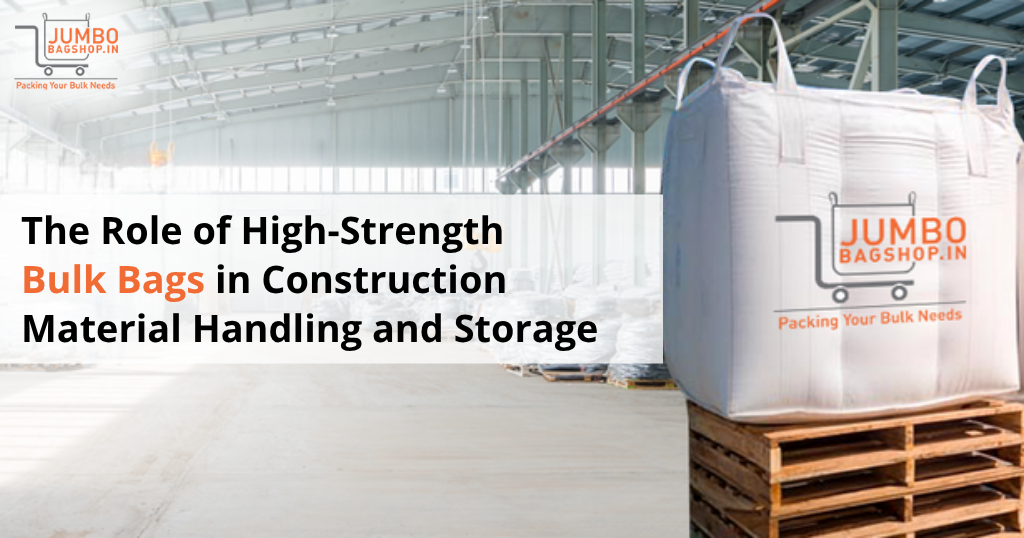
In today’s fast-paced construction industry, efficiency, safety, and cost control are critical for successful project execution. One of the most effective solutions transforming material logistics is the use of bulk bags in construction material handling and storage. Also known as FIBC (Flexible Intermediate Bulk Containers), these high-strength bags are designed to carry and store large volumes of construction materials such as sand, cement, aggregates, and debris with ease and reliability.
As construction projects scale in complexity and size, traditional packaging methods often fall short in terms of efficiency and durability. This is where high-strength bulk bags step in offering a smarter, safer, and more sustainable alternative.
Understanding Bulk Bags in Construction
Bulk bags are large, flexible containers made from woven polypropylene fabric, engineered to handle heavy loads and harsh working conditions. These bags are specifically designed to support lifting, storage, and transportation of dry bulk materials using equipment like cranes and forklifts.
In construction, where materials are often heavy, abrasive, and required in large quantities, these bags provide a practical solution that improves workflow and reduces manual handling.
High Load Capacity and Durability
One of the biggest advantages of using bulk bags in construction material handling and storage is their exceptional strength. These bags are designed to carry loads ranging from hundreds to thousands of kilograms without compromising structural integrity.
Construction materials like gravel, cement, and crushed stone are not only heavy but also abrasive. High-strength bulk bags are built with reinforced stitching and tear-resistant fabric to withstand these demanding conditions. This durability ensures minimal risk of breakage, spillage, or material loss during transportation and storage.
Improved Efficiency in Material Handling
Material handling plays a crucial role in construction productivity, involving the movement, storage, and control of materials throughout a project lifecycle. Bulk bags significantly streamline this process.
Instead of handling multiple small bags, workers can transport large quantities of material in a single load. This reduces labor requirements, speeds up loading and unloading, and improves overall site efficiency. Bulk bags are equipped with lifting loops, allowing easy handling with forklifts or cranes, which further enhances operational productivity.
Enhanced Safety on Construction Sites
Safety is a major concern in construction environments. Traditional packaging methods often lead to spillage, uneven loads, and manual handling injuries. Bulk bags address these challenges effectively.
Their stable design distributes weight evenly, reducing the risk of tipping or accidents. Additionally, the use of machinery for handling bulk bags minimizes direct human contact with heavy materials, lowering the chances of workplace injuries.
Furthermore, specialized bulk bags, such as anti-static or moisture-resistant variants, are available for handling sensitive or hazardous materials safely.
Protection and Quality Preservation
Construction materials are often exposed to environmental factors like moisture, dust, and contamination. High-strength bulk bags act as a protective barrier, preserving material quality during storage and transportation.
Many bulk bags come with inner liners or coated fabrics that prevent moisture ingress and contamination. This is particularly important for materials like cement and fine powders, which can lose their effectiveness when exposed to humidity.
By maintaining material integrity, bulk bags help ensure consistent construction quality and reduce wastage.
Cost-Effective and Sustainable Solution
Cost efficiency is another key reason why construction companies are increasingly adopting bulk bags in construction material handling and storage. These bags reduce packaging costs by eliminating the need for multiple small containers and minimizing material loss due to spillage.
Additionally, bulk bags are reusable and recyclable, making them an environmentally friendly choice. Their reusability reduces waste generation on construction sites, aligning with modern sustainability goals.
Transporting materials in bulk also reduces the number of trips required, saving fuel and lowering overall logistics costs.
Space Optimization and Easy Storage
Construction sites and warehouses often face space constraints. Bulk bags offer a practical solution with their stackable design and flexible structure.
When filled, they can be stacked securely to maximize storage capacity. When empty, they can be folded and stored compactly, saving valuable space.
This efficient use of space helps streamline inventory management and improves site organization.
Versatility Across Construction Applications
Bulk bags are incredibly versatile and can be used for a wide range of construction applications, including:
-
Transporting sand, gravel, and aggregates
-
Storing cement, mortar, and dry mixes
-
Handling demolition waste and debris
-
Supporting erosion control and flood protection
-
Managing recyclable construction materials
Their adaptability makes them an essential component in modern construction logistics.
Supporting Modern Construction Practices
The construction industry is evolving toward smarter, faster, and more sustainable practices. Bulk bags play a vital role in this transformation by improving efficiency, reducing waste, and enhancing safety.
With increasing emphasis on lean construction and optimized supply chains, the demand for reliable material handling solutions continues to grow. Bulk bags meet these demands by offering a balance of strength, flexibility, and cost-effectiveness.
Bottom Line
High-strength bulk bags have become an indispensable solution in modern construction. Their ability to handle heavy loads, improve safety, optimize storage, and reduce costs makes them a preferred choice for contractors and builders.
If you’re looking to enhance efficiency and streamline operations, investing in high-quality bulk bags in construction material handling and storage can make a significant difference. For reliable and durable solutions tailored to your project needs, Jumbobagshop offers a wide range of bulk bags designed for performance, safety, and long-term value.