

How Type C FIBC Bags Help Safely Handle Flammable Powders
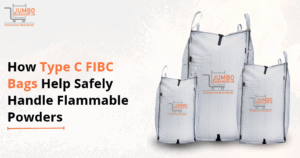
Handling powders in industrial environments requires more than simply choosing a strong bulk bag. When certain powders are transferred, filled, moved, or discharged, static electricity can build up. If the material or surrounding atmosphere is flammable, an uncontrolled electrostatic discharge can become a serious safety concern.
This is where Type C FIBC Bags play an important role.
Also known as conductive FIBC bags, Type C bags are designed to help control electrostatic charge during bulk material handling. They contain conductive yarns that create a path through which accumulated electrical charge can be transferred to earth when the bag is correctly grounded.
For industries handling flammable powders, chemicals, carbon based materials, dyes, and similar products, understanding how Type C FIBC Bags work can help businesses select a more appropriate packaging solution for their material handling process.
Why Can Static Electricity Be a Problem When Handling Powders?
Powders move constantly during filling and discharge. Individual particles can rub against each other, against processing equipment, and against the inner surface of a bulk bag.
This movement can generate electrostatic charge.
In ordinary conditions, a small amount of static electricity may appear harmless. However, the situation can become different when combustible powders, flammable gases, vapours, or solvents are present.
If enough electrical charge accumulates and suddenly discharges as a spark, that spark may become an ignition source in an unsuitable environment.
This is why electrostatic control forms an important part of bulk material handling where combustible or flammable substances may be involved.
FIBCA recommends that static protective FIBCs are selected according to the flammable or explosive environment in which they will be used and states that Type C static protective FIBCs must be securely grounded before and during filling and emptying.
What are Type C FIBC Bags?
Type C FIBC Bags are Flexible Intermediate Bulk Containers designed specifically to help manage static electricity.
They are generally manufactured using polypropylene fabric containing interconnected conductive yarns. These conductive threads usually form a grid through the fabric and connect to designated grounding points on the bag.
The JumboBagShop Conductive Bags range describes Type C bags as FIBCs made with specially designed conductive fabrics containing interwoven conductive yarns. The bags include grounding tabs that need to be connected to earth so static charge generated during filling and discharge can dissipate.
This grounding requirement is one of the most important characteristics separating Type C FIBC Bags from other categories of bulk bags.
How Do Type C FIBC Bags Control Static Charge?
The basic principle is straightforward.
When powder flows into or out of an FIBC, electrostatic charge may develop. In a correctly designed Type C bag, the interconnected conductive threads provide a controlled path for this charge.
The grounding point on the bag is then connected to a suitable earth connection.
Instead of allowing electrostatic charge to remain on the bag, proper grounding enables it to dissipate to earth.
Technical guidance for Type C FIBCs emphasizes that the conductive yarns must be electrically interconnected and connected to designated grounding points. Those points must remain connected to earth during filling and emptying operations.
The important point is that simply using a Type C bag is not enough. Grounding is an essential part of its intended operation.
Why are Type C FIBC Bags Used for Flammable Powders?
Flammable or combustible powders can create challenging material handling environments because powder movement and static generation may occur at the same time.
Type C FIBC Bags are useful in these applications because they are designed to provide a route for electrostatic charge to dissipate when correctly earthed.
This makes them relevant for handling products such as:
-
Carbon based materials
-
Industrial powders
-
Dyes and pigments
-
Certain chemicals
-
Other powders where electrostatic charge needs to be controlled
JumboBagShop lists carbon, powders, dyes, and chemicals among the applications for its Conductive FIBC Bags.
The exact suitability of any bag, however, should always be determined according to the material being packed, the surrounding atmosphere, applicable safety requirements, and the operating process.
Grounding Is Critical When Using Type C FIBC Bags
One of the most important rules for Type C FIBCs is that the bag must be properly grounded.
The grounding connection should be established before filling or discharge begins and remain secure throughout the operation.
FIBCA guidance specifically states that a Type C static protective FIBC should not be filled or emptied in the presence of flammable or combustible materials unless a secure ground connection has already been established.
The grounding connection should therefore never be treated as an optional step.
Operators should also follow the bag supplier’s instructions and the applicable safety procedures established for their facility.
If the grounding connection becomes damaged or disconnected, operation should not simply continue as normal.
Type C FIBC Bags vs Standard FIBC Bags
Not every FIBC is designed to control electrostatic hazards.
A standard bulk bag may be perfectly appropriate for many non hazardous materials and ordinary storage or transportation requirements. However, when static electricity is an important risk factor, the type of FIBC becomes much more significant.
Type C FIBC Bags differ because they include conductive elements specifically intended to transfer accumulated electrical charge to earth.
The main distinction can be understood simply:
Standard FIBC bags: Primarily provide containment, lifting, storage, and transportation of bulk products.
Type C FIBC Bags: Provide bulk containment while also incorporating conductive threads and grounding provisions for electrostatic charge control.
Choosing between them should therefore be based on the characteristics of the product and the environment in which filling and discharge will take place.
Important Safety Practices When Using Conductive FIBC Bags
Using the right bag is only one part of safer powder handling. The complete operating process also matters.
When using Type C FIBC Bags, businesses should ensure that:
-
The correct static protective FIBC has been selected for the application.
-
The grounding point is securely connected before filling begins.
-
Grounding remains connected during filling and discharge.
-
Grounding equipment and connections are inspected regularly.
-
Personnel follow established operating procedures.
-
Conductive machinery, tools, and other relevant equipment are appropriately grounded where required.
-
Dust is controlled during filling and emptying.
-
The Safe Working Load of the FIBC is never exceeded.
-
The bag is inspected for damage before use.
FIBC’s safe handling guidance also stresses dust control, compliance with the bag’s rated Safe Working Load, and suitable grounding of conductive objects in environments involving combustible or flammable materials.
These measures help make Type C FIBC Bags part of a broader material handling safety system rather than treating the bag as the only protective measure.
Choosing the Right Type C FIBC Bag
Once Type C construction has been identified as appropriate for the application, buyers should also look at the practical specifications of the bag.
Important factors include:
Safe Working Load
The bag’s Safe Working Load should match the weight of the material being handled. Never exceed the rated capacity printed for the bag.
Bag Dimensions
Dimensions influence how well the bag fits your filling equipment, storage area, pallet arrangement, and transportation process.
Top Construction
Different standard Type C bags may have a filling spout or skirt top. The appropriate option depends on the filling process and the material being packed.
Bottom Construction
Options may include a flat bottom or discharge spout depending on how the contents will be emptied.
Safety Factor
Buyers should check the stated Safety Factor along with the Safe Working Load and intended conditions of use.
JumboBagShop’s Conductive Bags section currently includes standard Type C FIBC options with different dimensions, top and bottom configurations, and Safe Working Load ratings.
Type C FIBC Bags Support Safer Bulk Powder Handling
Managing static electricity becomes especially important when bulk materials and potentially flammable environments come together.
Type C FIBC Bags provide an effective electrostatic control mechanism through interconnected conductive threads and grounding points. When the bag is properly selected, correctly grounded, and used as part of appropriate plant safety procedures, it can support safer filling, storage, handling, and discharge of powders where static electricity is a concern.
The key is correct use. A Type C bag depends on a secure earth connection, so grounding procedures should always be followed throughout filling and discharge.
If your operation requires a standard conductive bulk bag for powders, carbon, dyes, chemicals, or similar materials, explore the range of Type C FIBC Bags available online at JumboBagShop. Compare the available sizes, Safe Working Load ratings, filling options, and discharge configurations to select a bag suited to your bulk handling requirements and purchase directly through our online store.