

How Baffle FIBC Bags Save Storage
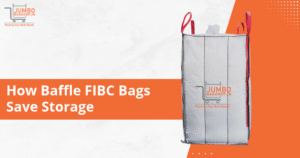
When bulk materials need to be stored or transported efficiently, the shape of the packaging can make a bigger difference than many businesses expect. Standard flexible bulk bags can expand outward after filling, creating rounded sides and unused gaps between bags. Baffle FIBC Bags are designed to reduce this problem by helping the filled bag retain a more stable, square shape.
Also known as Q Bags or form stable FIBC bags, these bulk bags contain internal baffles that control outward expansion. By reducing bulging, they can help businesses use warehouse floors, pallets, trucks and shipping containers more efficiently. For companies handling dry bulk materials, this can mean easier stacking, cleaner storage layouts and better use of available space.
What are Baffle FIBC Bags?
Baffle FIBC Bags are flexible intermediate bulk containers designed with internal fabric panels sewn across the corners of the bag. These panels act as internal supports when the bag is filled.
In a conventional FIBC, the weight of the material can push the side panels outward, giving the bag a rounded appearance. A baffle bag restricts this outward movement and helps the container remain closer to its original square or rectangular footprint.
Because the bag keeps a more consistent shape, it can fit more neatly beside other bags. This is why baffle bags are often preferred when storage space, pallet arrangement and transport efficiency matter.
How Do Baffles Help Save Storage Space?
The main storage advantage comes from shape control.
Imagine placing several rounded bags next to one another. Even when they are touching, small empty spaces can remain between them because the sides curve outward. Across a large warehouse or shipping load, those gaps can add up.
Baffle FIBC Bags help reduce this problem. Their internal structure encourages the contents to fill the corners while limiting excessive side bulging. This creates a more compact footprint and allows bags to be positioned more closely together.
The benefit is not that the bag creates extra warehouse space. Instead, it helps businesses use the space they already have more effectively.
Better Use of Warehouse Floor Space
Warehouse space is valuable, especially when large quantities of raw materials or finished bulk products need to be stored.
A bag that spreads outward more than expected may occupy additional floor area and make rows less uniform. Baffle bags are useful because their straighter sides support a cleaner storage arrangement.
When businesses handle many filled FIBC bags at once, maintaining a more consistent bag shape can make storage areas easier to arrange and help reduce unnecessary gaps between individual bags.
More Efficient Pallet Utilization
Pallet space is another important factor in bulk material handling.
When a filled bag retains a squarer profile, it can sit more neatly on the pallet surface. Excessive bulging may cause the bag to spread toward or beyond pallet edges, depending on bag size and the material being packed.
A form stable Baffle FIBC Bag helps maintain a more controlled shape, making pallet placement more orderly. This can help businesses create a cleaner and more predictable material storage setup.
Improved Use of Trucks and Shipping Containers
Space efficiency becomes even more important during transportation.
Every truck or shipping container has fixed internal dimensions. When bulk bags become heavily rounded after filling, some available space may remain unused.
Baffle FIBC Bags can support a more compact loading arrangement because the filled bags remain closer to a square shape. Bags can be placed beside one another with fewer irregular gaps, helping logistics teams use the available loading area more efficiently.
This makes baffle bags particularly useful when businesses regularly move bulk products between warehouses, production facilities or other destinations.
More Stable Shape for Stacking
Storage efficiency is not only about floor space. Stability also matters.
A bag that maintains its shape is easier to position in an orderly layout. This can be useful when multiple filled bags need to be arranged within a limited storage area.
However, stacking FIBC bags should always follow the bag supplier’s instructions, site safety procedures and appropriate handling practices. The correct Safe Working Load, bag condition, product characteristics and storage environment must all be considered.
Baffle construction improves shape control, but it does not replace safe material handling.
Suitable for Many Dry Bulk Materials
Baffle FIBC Bags can be useful for dry and free flowing products where maintaining a compact shape is beneficial. Depending on the selected specification, they may be used for materials such as chemicals, dyes, pigments, minerals, seeds, resins, granules and powders.
The correct bag should always be selected according to the weight, flow characteristics and handling requirements of the product.
Different bulk materials behave differently when filled. Checking bag dimensions, load capacity, filling style and discharge arrangement before purchasing can therefore help ensure that the selected bag suits the intended application.
Baffle FIBC Bags vs Standard FIBC Bags
Both standard and baffle FIBC bags are useful bulk packaging options, but their designs serve slightly different priorities.
A standard FIBC provides flexible bulk storage and transport for many applications. It may be suitable when available space is not a major concern or when the material does not cause significant side bulging.
Baffle FIBC Bags are more relevant when maintaining a square shape is important. Their internal panels help control expansion, making them useful for businesses that want a more organized footprint in warehouses and transport vehicles.
If efficient use of storage and transportation space is a priority, a baffle bag can therefore offer practical advantages over a conventional bulk bag.
What Should You Check Before Buying Baffle FIBC Bags?
Before selecting a bag, look beyond the product name. The specification should match the actual application.
Start with the Safe Working Load. Never use a bag for more than its stated rating. Next, check the bag dimensions to make sure they suit your pallet, storage area and filling process.
You should also review the top and bottom construction. Some standard baffle bags may use a filling spout, while others may use a skirt top. Bottom options can include flat bottoms or discharge spouts depending on how the material will be emptied.
Consider the type of material as well. Product density, flow characteristics and intended handling method can all influence which standard bag specification is most suitable.
Is a Baffle FIBC Bag Right for Your Storage Setup?
If storage space is tight, bags bulge after filling, or transport loads contain too much unused space between bags, baffle construction may be worth considering.
By helping the bag remain more square after filling, Baffle FIBC Bags can support better use of warehouse, pallet and transport space. They can also create a more organized storage layout and make load planning more predictable.
This makes them practical for businesses that regularly handle dry bulk products and need to make efficient use of limited storage or transport capacity.
Choose the Right Baffle FIBC Bags Online
Efficient bulk storage starts with choosing a bag that matches both your product and handling needs. Baffle FIBC Bags provide a practical way to reduce excessive bulging, maintain a stable shape and make better use of warehouse and transport space. JumboBagShop offers standard Baffle Bags in different listed dimensions, Safe Working Loads, top styles and bottom configurations, allowing buyers to compare ready to purchase options based on their requirements. Explore the available Baffle FIBC Bags at JumboBagShop and choose the standard bag specification that best fits your bulk storage and transportation needs.