

Understanding Jumbo Bag Prices in India: What Affects the Cost?
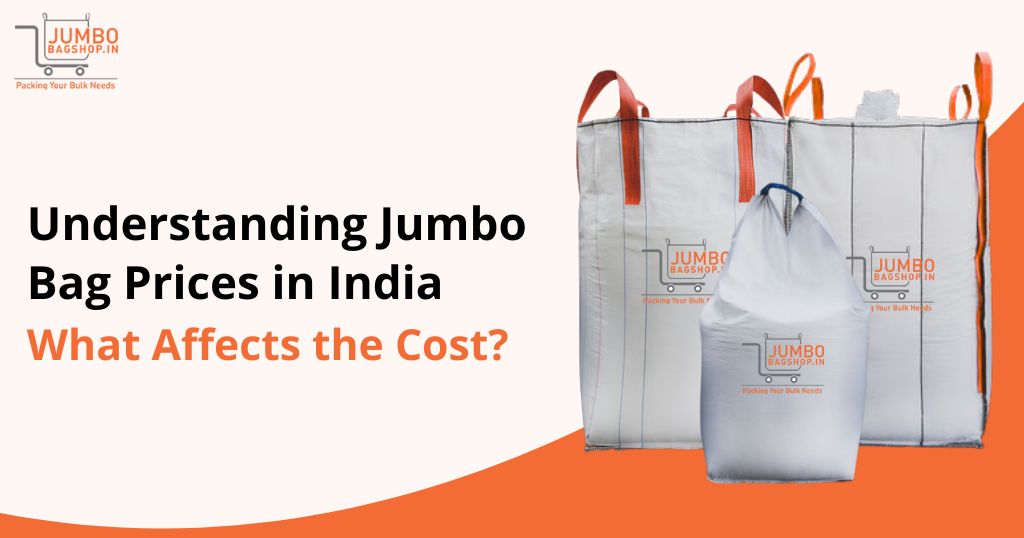
Over the years, Jumbo Bags — also known as FIBC Bags (Flexible Intermediate Bulk Containers) — have become a backbone of industrial packaging across India. Used in industries such as agriculture, chemicals, construction, and mining, these bags offer a cost-effective, safe, and efficient solution for transporting and storing bulk materials.
However, one of the most frequently asked questions is: What determines Jumbo bag prices in India?
The cost of Jumbo bags is not fixed — it depends on multiple technical, material, and market factors. In this blog, we break down everything you need to know about Jumbo bag price factors and how businesses can make smarter purchasing decisions.
Growing Demand for Jumbo Bags in India
India has emerged as one of the world’s major producers and exporters of FIBC jumbo bags. With the rise in infrastructure development, agricultural exports, and chemical manufacturing, the demand for industrial bulk packaging continues to grow.
As demand increases, businesses must understand price variations to avoid overpaying and ensure they get the best value.
Key Factors Affecting Jumbo Bag Prices in India
1. Type of Jumbo Bag
Different industries require different bag types, and this plays a major role in determining price.
Common FIBC Types include:
-
Type A bulk bags – Non-conductive, basic bags for non-hazardous materials
-
Type B bulk bags – Low static protection for dry, flammable powders
-
Type C bulk bags (Conductive FIBC) – For hazardous environments, higher cost
-
Type D bulk bags – Static dissipative, more expensive due to advanced technology
For example, Type C and Type D jumbo bags in India generally cost more than Type A or Type B due to additional safety and manufacturing requirements.
2. Raw Material Cost (Polypropylene Fabric)
The primary material used in jumbo bags is woven polypropylene (PP). The fluctuation in global crude oil prices directly impacts PP resin pricing, which eventually affects jumbo bag costs.
Additionally, the following material aspects impact price:
-
Virgin PP vs. Recycled PP
-
Fabric GSM (grams per square meter)
-
UV stabilization treatment
-
Food-grade or agri-grade coating
Higher GSM fabric and UV-treated bags are more durable and naturally cost more.
3. Bag Size and Load Capacity
The size and Safe Working Load (SWL) significantly influence pricing. Standard jumbo bags typically handle loads between 500 kg to 2000 kg.
Factors impacting price include:
-
Dimensions (length × width × height)
-
SWL and Safety Factor (5:1 or 6:1)
-
Higher capacity requirements
Larger capacity bags require stronger fabric and loops, increasing production cost.
4. Type of Construction and Design
Jumbo bag construction also plays a crucial role. Different designs include:
-
U-Panel bags
-
Circular bags
-
Baffle bags
-
Single-loop bags
-
Tunnel lift bags
Baffle jumbo bags and circular FIBCs are generally more expensive as they offer better shape retention and optimize container space utilization.
If your application requires high space efficiency and stability, the added cost often results in long-term savings on transportation.
5. Order Quantity (Bulk vs. Small Orders)
Just like any manufacturing product, jumbo bag pricing benefits from economies of scale.
-
Small quantity orders have a higher per-unit cost
-
Large bulk orders reduce manufacturing cost per bag
-
Long-term contracts often provide better pricing
Many jumbo bag manufacturers in India offer attractive price slabs for bulk orders, especially for export clients.
6. Quality Certifications and Standards
Compliance with international packaging standards affects pricing. Some common certifications include:
-
ISO certifications
-
UN certification for hazardous material transport
-
FDA or food-grade certifications
-
BRC packaging certification
Bags with UN Certification for hazardous goods are more expensive due to additional testing, compliance, and manufacturing controls.
How to Reduce Jumbo Bag Procurement Costs?
If you’re looking to optimize your packaging costs, here are a few smart tips:
-
Choose the right bag type for your application (don’t over-specify).
-
Order in bulk to get volume benefits.
-
Partner with a direct manufacturer rather than a broker.
-
Standardize bag designs for repeat orders.
-
Opt for long-term supply contracts to lock in better pricing.
Selecting the Right Jumbo Bag Manufacturer in India
Price alone should not be the only deciding factor. Quality, safety, reliability, and manufacturing capability are equally important.
When selecting a supplier, look for:
-
Proven industry experience
-
Certified manufacturing facilities
-
Consistent quality checks
-
Ability to handle bulk orders
-
Global export experience
A reliable manufacturer ensures not just competitive pricing but also consistent product performance.
Conclusion
Understanding Jumbo bag prices in India requires a deeper look at material quality, construction type, bag capacity, and compliance standards. Instead of choosing the lowest price, businesses should prioritize value — ensuring safety, durability, and long-term performance.
By making informed decisions and working with a reputable FIBC bag manufacturer, companies can optimize both costs and operational efficiency.
Looking for high-quality Jumbo Bags in India at competitive prices?
Jumbobagshop is a leading FIBC Jumbo Bag Exporter, delivering premium bulk packaging solutions tailored to your industry needs. From standard bulk bags to UN-certified, Type C, Type D, and baffle jumbo bags — we ensure quality, safety, and reliability at every stage.
Contact Jumbobagshop today for best Jumbo Bag solutions and the best price advantage in the market.