

Why Silage Bags are Transforming Modern Farming and Forage Storage?
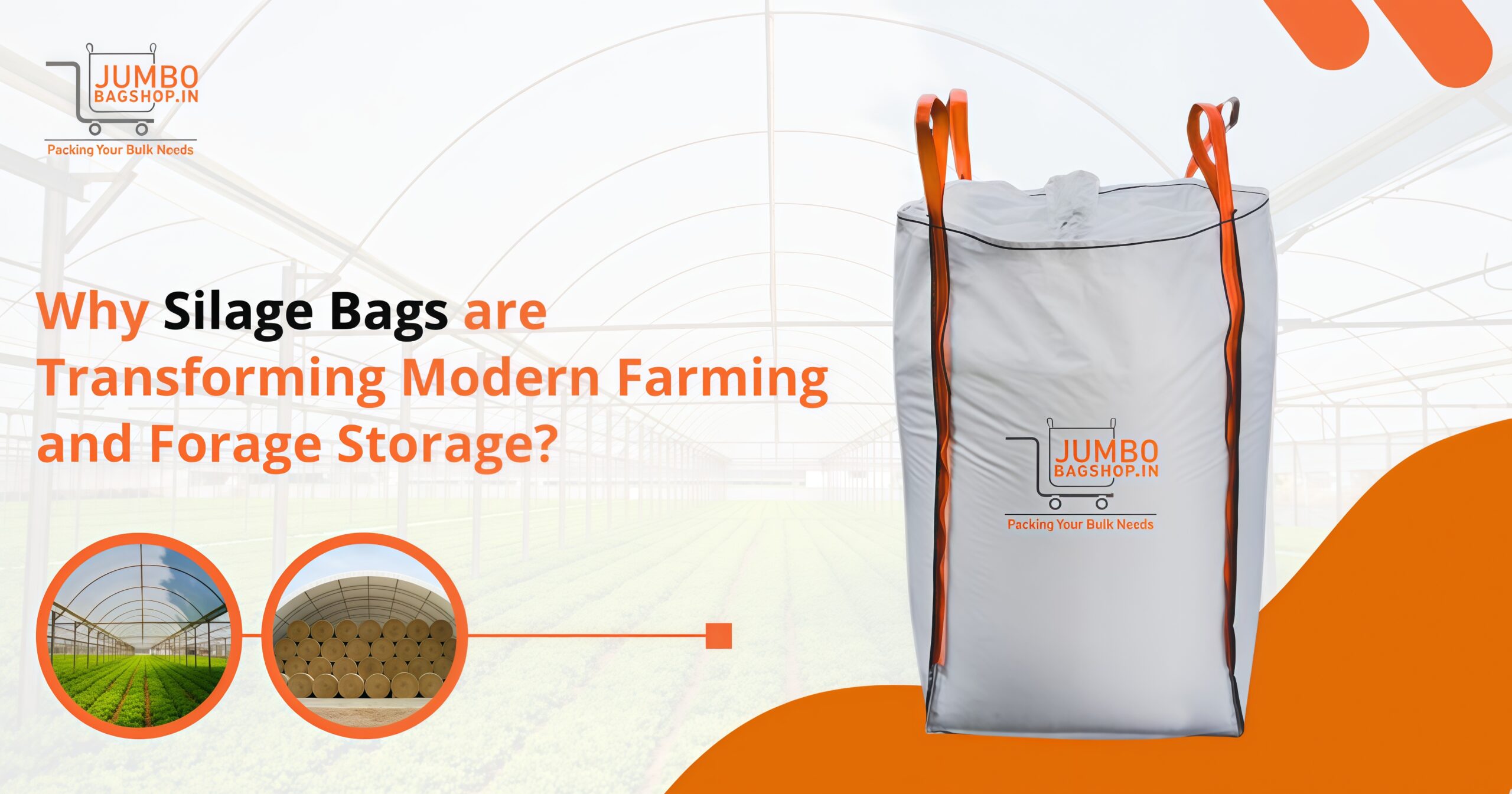
Modern farming is evolving rapidly, with technology, innovation, and smarter storage practices leading the way toward greater efficiency and sustainability. One such advancement that has been quietly revolutionizing agriculture is the use of silage bags. These specialized storage solutions are helping farmers store forage, grains, and other feed with improved efficiency, reduced wastage, and enhanced quality preservation.
In this blog, we’ll dive into why silage bags are gaining so much importance, how they work, their benefits, and why they are becoming the future of forage storage in modern farming.
What are Silage Bags?
Grain, silage, haylage, and other forages are stored in silage bags, which are sturdy, airtight polyethylene bags. They are designed to create an oxygen-free environment that allows controlled fermentation, keeping the nutritional value of the stored feed intact for months.
Unlike traditional storage methods such as silos or bunkers, silage storage bags offer flexibility, scalability, and cost-effectiveness. They are available in various sizes and lengths, making them suitable for small farms as well as large-scale agricultural operations.
Why Silage Bags are Changing the Game?
Silage bags have quickly emerged as a game-changer in agriculture, especially for livestock farmers. Here’s why:
1. Improved Forage Preservation
-
Silage bags provide an airtight seal, which prevents oxygen infiltration.
-
This oxygen-free environment supports lactic acid bacteria, ensuring controlled fermentation.
-
The result? High-quality silage with improved digestibility and nutritional content.
2. Reduced Wastage
-
Traditional silos often face issues like spoilage and dry matter loss due to air exposure.
-
Silage bags reduce wastage significantly by minimizing oxygen exposure, keeping more feed usable.
3. Cost-Effective Storage Solution
-
Building bunkers or silos is costly and necessitates sustained commitment.
-
Silage bags for forage storage provide a low-cost alternative, ideal for both small and large farmers.
4. Flexibility and Scalability
-
Farmers can choose the bag length and capacity based on their herd size or seasonal requirements.
-
Additional bags can be added anytime, providing scalability without infrastructure expansion.
5. Easy to Use and Transport
-
Silage bags are portable, meaning farmers can place them wherever storage space is available.
-
They can also be used on rented land, offering flexibility for growing farms.
Benefits of Silage Bags Over Traditional Storage
To understand the importance of silage bags, let’s compare them with conventional silage storage options like bunkers and silos:
Feature |
Silage Bags |
Silos/Bunkers |
| Cost | Low investment | High construction cost |
| Wastage | Minimal | Higher spoilage due to air leaks |
| Flexibility | Portable, scalable | Fixed, limited capacity |
| Forage Quality | High, nutrient-rich storage | Variable, depends on the sealing |
| Setup Time | Quick and easy | Time-consuming |
The table clearly shows how silage bags offer greater efficiency, reduced costs, and better preservation, making them the preferred choice for modern farmers.
Applications of Silage Bags in Modern Farming
Silage bags aren’t just for storing silage. They serve multiple purposes across various agricultural practices, such as:
1. Forage Storage – Storing corn silage, alfalfa, haylage, and other forages in an airtight environment.
2. Grain Storage – Temporary and long-term storage of grains like wheat, barley, rice, and maize.
3. Seasonal Flexibility – Farmers can increase storage capacity seasonally by adding more bags, avoiding infrastructure costs.
4. Livestock Feed – Ensures livestock have access to high-quality silage all year round, improving milk yield and meat quality.
5. Emergency Storage – During bumper harvests or market delays, silage bags serve as backup storage to avoid losses.
Sustainability and Eco-Friendliness of Silage Bags
Today, sustainability is at the heart of farming practices. Silage bags contribute to eco-friendly agriculture in several ways:
-
Reduced Wastage: By preserving more usable feed, farmers reduce overall crop waste.
-
Recyclability: Many silage bags are recyclable, minimizing environmental impact.
-
Lower Carbon Footprint: Eliminates the need for concrete silos, reducing the environmental cost of construction.
-
Efficient Land Use: Portable storage means farmers can maximize available land without permanent structures.
Silage storage bags are a great way to support environmentally friendly objectives as governments and international organizations fight for more sustainable farming methods.
Tips for Using Silage Bags Effectively
To get the best out of silage bags for forage storage, farmers should follow a few best practices:
-
Fill Properly: Use specialized bagging machines to ensure consistent compaction and airtight sealing.
-
Store on Level Ground: Place silage bags on a clean, dry, and level surface to avoid punctures and spoilage.
-
Protect from Damage: Avoid sharp objects, animals, or machinery that could puncture the bag.
-
Monitor Regularly: Check bags periodically for holes or damage and repair immediately with silage tape.
-
Plan for Unloading: Open the bag from one end and remove silage in layers to avoid air infiltration.
Why Farmers Prefer Silage Bags for Forage Storage?
Farmers worldwide are increasingly adopting silage bags because they solve critical challenges in forage preservation. The benefits they experience include:
-
Consistent feed quality throughout the year.
-
Significant reduction in losses from spoilage.
-
The ability to adapt storage capacity according to seasonal demand.
-
Savings in infrastructure investment and operational costs.
For both small and large-scale farmers, silage bags offer a practical, reliable, and profitable way of storing feed and crops.
The Future of Silage Bags in Agriculture
With global food demand increasing and pressure on farmers to maximize efficiency, the future of silage bags looks promising. Technological advancements in material strength and recyclability are making them even more effective.
As the agriculture sector embraces sustainable farming practices, silage bags will continue to play a central role in ensuring high-quality forage storage, cost-efficiency, and minimal environmental impact.
In short, silage bags are not just a trend—they’re the future of modern farming.
Conclusion
Silage bags are transforming the way farmers store forage and manage feed. By offering airtight storage, minimizing wastage, reducing costs, and ensuring feed quality, these bags are an essential tool in modern agriculture. Compared to traditional silos or bunkers, they provide unmatched flexibility and sustainability, making them the smarter choice for today’s farmers.
Whether you’re a small farmer or managing large agricultural operations, investing in silage storage bags can significantly improve your farming efficiency and profitability.
Secure High-Quality Silage Bags with Jumbobagshop
Looking for reliable and durable silage bags to transform your forage storage? At Jumbobagshop, we provide premium-quality silage bags designed to deliver maximum efficiency, cost-effectiveness, and sustainability. Explore our wide range of agricultural packaging solutions and order online with ease. Make the smart choice for modern farming—choose Jumbobagshop today!